India’s Amrit Bharat stations show that railway modernization is no longer just about cleaner platforms or prettier facades. It is about turning stations into real public spaces that reflect local identity, improve travel, and support the economic life of towns and cities.
Infrastructure with identity
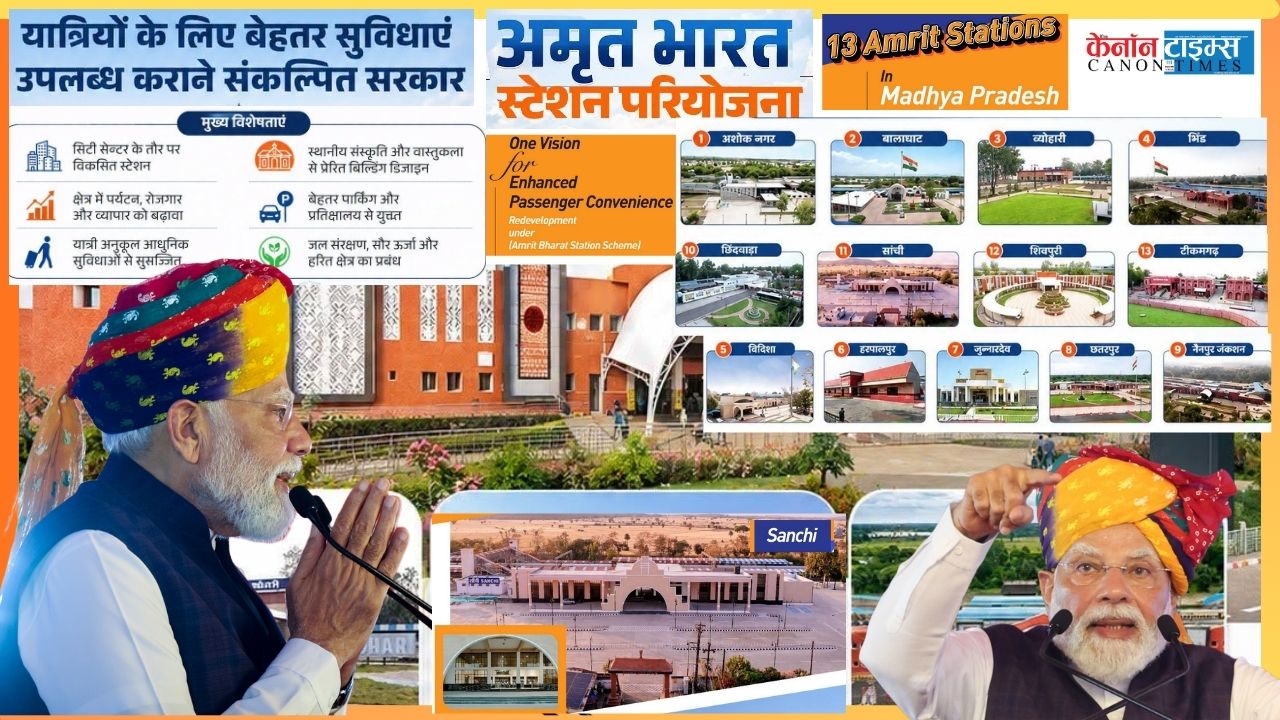
The scale of this rollout is impressive. Seventy-five stations across 20 states have been redesigned with better access, upgraded passenger facilities, and architecture inspired by local heritage. That is an important shift because it treats a station as more than a place to board a train; it treats it as the front door of a city or district. When a station reflects the culture of the region it serves, it strengthens civic pride as well as usability.

What stands out most is that the modernization is not being done in a uniform, one-size-fits-all way. Sanchi draws on Buddhist heritage, Puri-linked stations evoke pilgrimage identity, while places like Kalka, Jaisalmer, and Porbandar highlight their own distinct historic and geographic character. That approach gives the programme a stronger public purpose because it connects development with memory, not just cement and steel.
Passenger experience
The government deserves credit for focusing on the everyday experience of travelers. Wider footbridges, improved waiting halls, better signage, easier access for persons with disabilities and safer circulation areas all make a tangible difference. For ordinary passengers, these are not minor additions; they are the difference between a stressful journey and a dignified one.
This matters especially in a country where stations handle enormous footfall and often serve as the first point of contact for visitors, pilgrims and traders. Better-designed stations reduce friction, improve movement and make rail travel feel more dependable. That is the kind of practical reform that citizens notice quickly.
Regional growth
The wider economic logic is also strong. Modern stations can support tourism, local commerce and regional connectivity, especially in smaller cities and culturally important towns. In states like Madhya Pradesh, Rajasthan, Odisha and Uttar Pradesh, station redevelopment can help link heritage destinations with improved travel infrastructure.
This is why the programme should be seen as part of a broader development strategy rather than a standalone beautification exercise. Stations that are easier to use and more attractive to travelers can help cities become more competitive and more visible. In that sense, the policy is quietly reshaping how regional India presents itself to the country.
Bigger significance
The most encouraging part is the scale and continuity of the effort. With hundreds of stations already completed and many more in the pipeline, this is not a symbolic gesture. It is a long-term modernization programme with clear public value and a strong administrative footprint.
The government is right to frame this as part of India’s larger journey toward a more connected, efficient and self-confident future. If the projects continue to be delivered on time and maintained properly, Amrit Bharat stations could become a lasting example of development that is both modern and rooted in place.

Author: This news is edited by: Abhishek Verma, (Editor, CANON TIMES)
Authentic news.