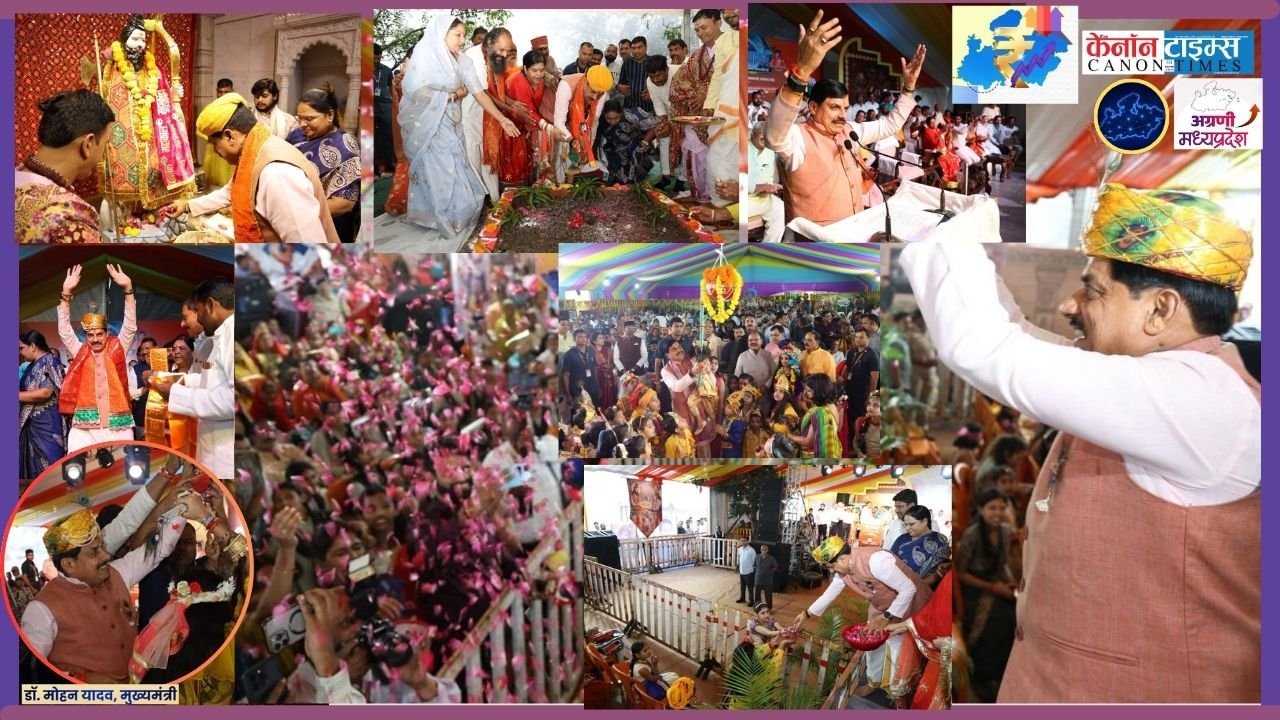
Chief Minister Dr Mohan Yadav celebrated Janmashtami at the Chief Minister’s residence with bhajans, mayur nritya, mallakhamb performances and children dressed as Bal Gopal and Radha Krishna. He broke a butter pot, fed makhan to the young devotees and spoke about the lessons from Krishna’s life. He said Krishna endured hardship but cleared a path of peace and prosperity for others. He highlighted Sandipani’s ashram in Ujjain, where Krishna learned 64 arts and 14 vidyas, and stressed the enduring relevance of the Krishna Sudama friendship. He also noted that India’s economy is growing at 7.8 percent, outpacing the US, China and Japan, and said the state government is committed to developing all sites linked to Lord Ram and Lord Krishna as grand, living pilgrimage centres.
This is more than a festival speech. It is a policy signal. Madhya Pradesh is positioning itself at the heart of India’s spiritual and cultural revival. Ujjain’s Sandipani ashram, Janapav, Mahidpur and other Krishna sites are part of this push. Chitrakoot Dham, linked to Lord Ram, is being developed with scale and dignity. The message is clear. Faith is a civilizational asset. When paired with infrastructure, management and programming, it becomes a driver of tourism, local jobs and pride.
Why does this matter. Spiritual tourism is one of the fastest growing segments of India’s travel market. It is less sensitive to global shocks than leisure tourism. It draws domestic visitors year round, not just in peak seasons. It creates jobs for guides, drivers, hotel staff, shopkeepers and artisans. It also strengthens local identity. When a temple town becomes a model of cleanliness, order and hospitality, it changes how residents see their own heritage. It encourages them to maintain standards and to invest in their own properties.
The design choices are sensible. Focus on approach roads, parking, signage, lighting, sanitation, security and crowd management. Clean accommodation options. Clear information for visitors. And a focus on experience, not just access. The state is also using festivals to showcase culture and attract visitors. Bhajans, dance dramas and mallakhamb are not just performances. They are part of a larger strategy to make heritage feel alive, not frozen in time.
The real test will be balance. Development must not come at the cost of sanctity. Crowds must be managed without turning worship into a queue. Local communities must benefit, not just large contractors. And environmental safeguards must be in place so that rivers, hills and heritage structures are protected. If these pieces fall into place, spiritual tourism can become a sustainable pillar of the economy.
India is betting that its civilizational depth can be a source of modern prosperity. For millions of pilgrims, a better managed temple is not just a nicer visit. It is a sign that their faith is respected and that their time is valued. That is the true measure of this push: not just the number of visitors, but the dignity and safety they experience along the way.

Author: This news is edited by: Abhishek Verma, (Editor, CANON TIMES)
Authentic news.