Pandarwahi’s transformation from a village where every drop was hard won to one where clean water flows to every household is an important reminder of what good public policy can do when it is combined with community effort.
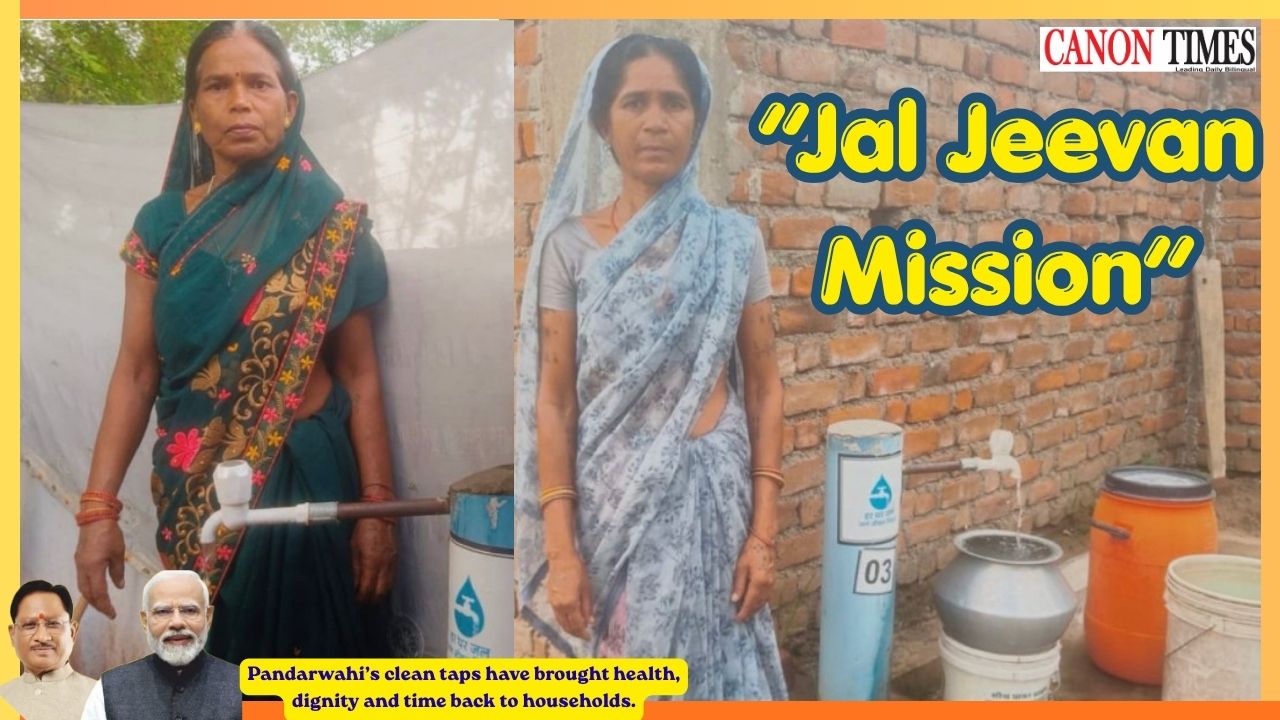
Under the Jal Jeevan Mission the small hamlet in Nagari block has moved from long treks to distant wells and intermittent supply to reliable tap connections in the courtyard of each of its 94 families. The payoff is visible in daily life fewer water borne illnesses, less drudgery for women, improved school attendance for children and more time for income generating work.

Infrastructure alone would not have sufficed. The village’s success rests on several complementary factors: an appropriate technology mix, accountable operations and engaged local management. The pump operator who runs scheduled filling, monitors the system and logs data on the gram panchayat app is as much a part of the success story as the pipes and overhead tank. Local ownership has converted hardware into a service that reliably supports health, sanitation and livelihoods.
The benefits are both immediate and generational. Clean taps reduce contamination and medical burdens. Time saved from fetching water becomes time for learning or work. Women gain space for entrepreneurship and civic participation. In short, a working water connection is a social and economic multiplier.
Sustaining this achievement will require continued attention. First, maintenance financing and clear local responsibility are essential. Small predictable funds for spare parts, a schedule for preventive maintenance and transparent contribution or support mechanisms will prevent system decline. Second, water security must be broadened. Villages should couple household taps with water budgeting, recharge and catchment measures so supply endures through dry spells. Rainwater harvesting, watershed measures and recharge pits will protect groundwater and reduce dependence on single sources. Third, strengthen community institutions. Training the pump operator’s backup staff, formalising a water user committee and publishing simple performance data on supply hours and repairs will keep accountability high.
Finally, replicate with humility. Pandarwahi’s example should inform neighbouring habitations but not be treated as a one size fits all template. Different geology, settlement patterns and livelihood mixes demand tailored solutions. The state should document the village’s practices operations logs, maintenance costs, community contribution modalities and behaviour change campaigns and promote them as adaptable models.
When the government delivers a basic service that is dependable and the community takes responsibility for its upkeep, development follows quietly but powerfully. Pandarwahi’s clean taps have brought health, dignity and time back to households. The task now is to consolidate those gains and scale the learning so more villages can turn a water connection into a lasting route out of drudgery and into opportunity.

Author: This news is edited by: Abhishek Verma, (Editor, CANON TIMES)
Authentic news.