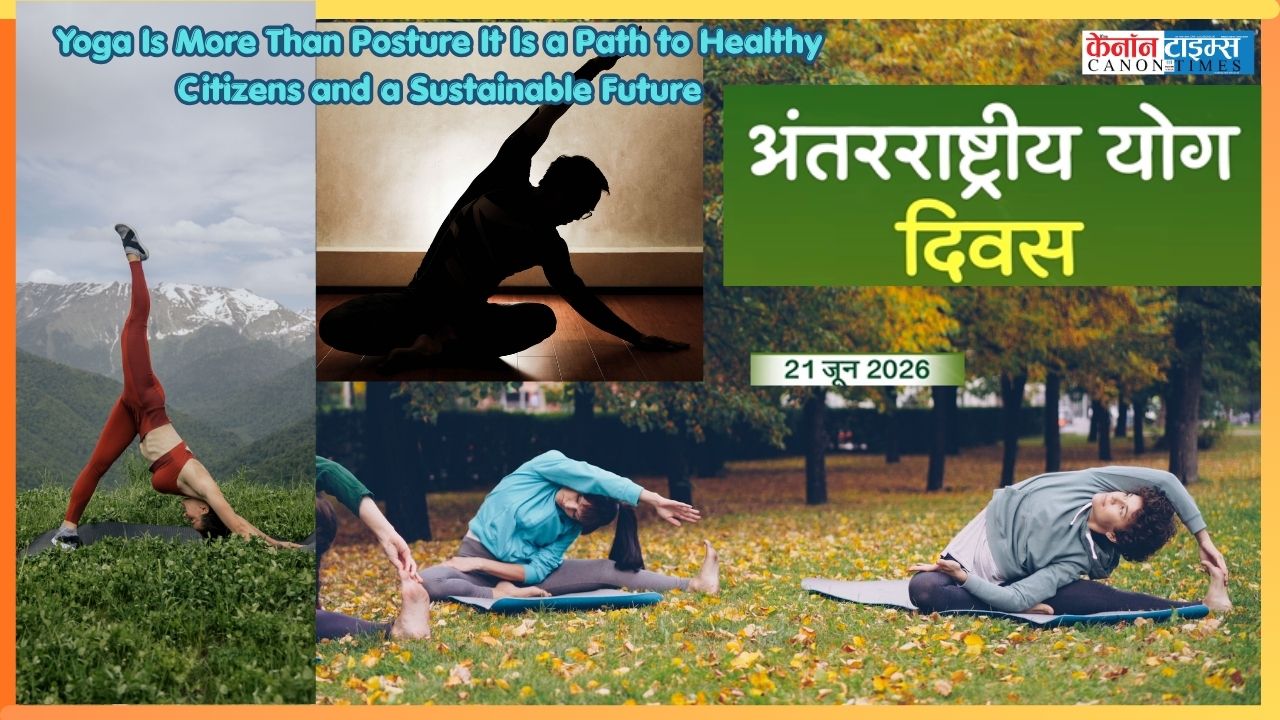
On International Yoga Day we celebrate an ancient practice that has proved astonishingly modern in its relevance. Yoga is not merely a set of physical exercises. It is a holistic science of living that binds bodily health, mental balance and ethical discipline qualities that societies urgently need in an age of climate stress, accelerating consumption and rising mental illness.
India’s success in making yoga a global movement underlines more than cultural pride. It points to a simple policy truth: prevention beats cure. A population that practises yoga regularly reduces its burden of lifestyle disease, strengthens resilience to stress and lowers pressure on expensive tertiary health care. That is why national campaigns linking yoga with preventive health and the LiFE call for a lifestyle in harmony with the environment are complementary not incidental. Both urge citizens to moderate consumption, conserve resources and live with mindful restraint.

But the relevance of yoga goes beyond individual wellness. Mental health is a growing crisis worldwide. Yoga’s integrated approach breathing, mindfulness and movement offers accessible, low cost tools to stabilise anxiety and improve emotional regulation. For elderly populations yoga supports functional fitness and dignity in ageing. For youth it builds self control and focus. Integrating yoga into school routines workplace wellness and community programmes therefore makes strong public health sense.
There is also an ecological argument. A culture of moderation and mindful living makes societies less prone to wasteful consumption. When citizens adopt habits of restraint and care, efforts to conserve water, protect forests and reduce carbon footprints become more effective. Yoga’s emphasis on balance resonates with the imperatives of sustainability.
Policy must move beyond symbolic observance to practical mainstreaming. Public health programmes should couple clinical care with lifestyle interventions that include yoga, nutrition and mental health education. Schools should embed age appropriate yogic practices and breathing exercises in daily schedules. Primary health centres must be trained to offer simple, evidence based yoga modules as part of preventive care. Special initiatives for senior citizens and at risk youth can multiply benefits where they are most needed.
Yoga is not a cure all. It should complement medical treatment, not replace it. Scientific evaluation, culturally sensitive promotion and accessible training for instructors are essential to scale benefits responsibly. But dismissing yoga as mere posturing misses its layered value. It cultivates discipline, reduces stress and encourages a life that is attentive to both personal health and planetary limits.
If nations seek healthier citizens, quieter minds and a more sustainable way of living, yoga is a credible instrument. International Yoga Day is an occasion to recommit not to a ritual but to a way of life: one that nurtures fit bodies, steady minds and a collective ethic of restraint that the planet urgently needs.

Author: This news is edited by: Abhishek Verma, (Editor, CANON TIMES)
Authentic news.