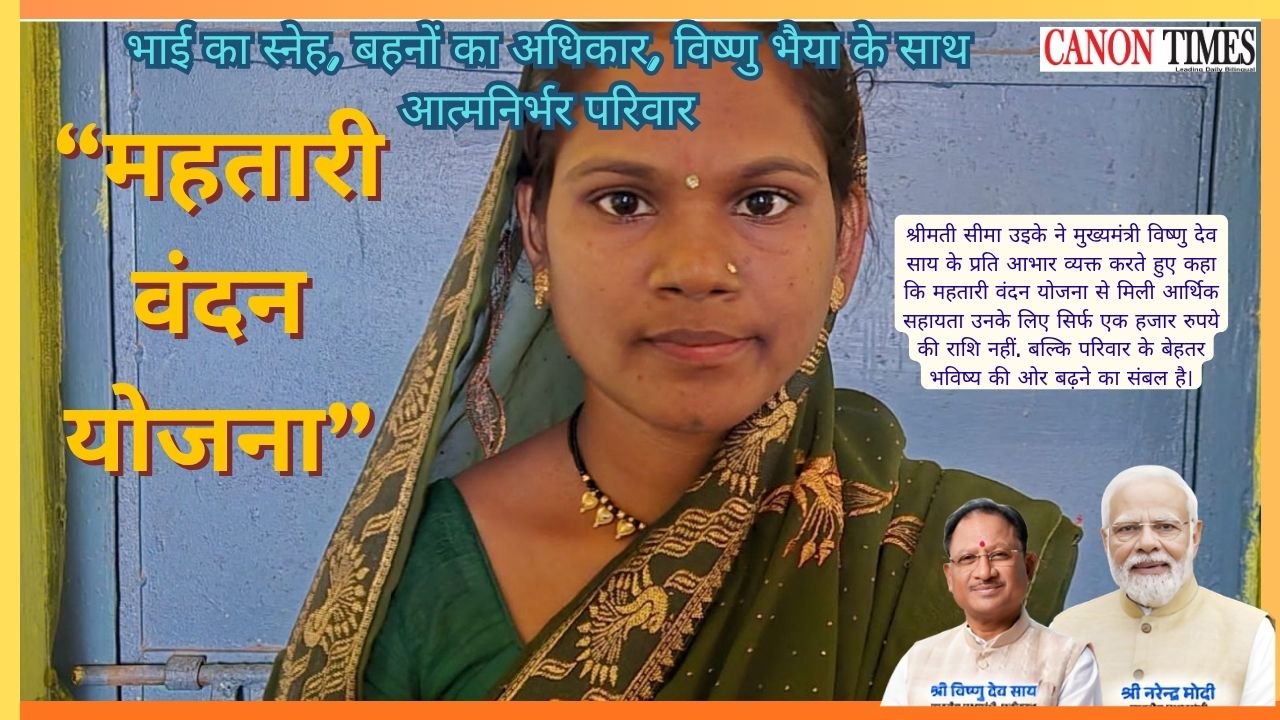
For Seema Uike of Padarwani village, the 31st instalment of the Mahatari Vandan Yojana is not just cash in hand. It is a step toward her children’s education, better nutrition and a more secure future. The one thousand rupees that arrived before Raksha Bandhan doubled her joy. She calls it a gift from “Vishnu Bhaiya”, noting that September’s amount came in August, easing festival expenses and household needs at once. For her, the scheme is more than a monthly figure. It is a foundation for dignity and planning.
This is the quiet power of predictable support. A fixed amount each month allows a mother to match inflows to outflows. She can prioritise school fees, books, uniforms or health needs without waiting for a larger, uncertain windfall. Seema says the regular assistance has made household budgeting smoother. It has reduced anxiety and given her the confidence to invest in her children’s long term well being. She thanks Chief Minister Vishnu Deo Sai and sees the scheme as a sign that the government stands with women and their families.
Her story reflects a larger truth about welfare design. Schemes are often judged by total outlays or beneficiary counts. But the real test is what changes inside a home. Does a payment reduce stress. Does it allow a mother to say yes to a child’s need without delay. Does it let her plan beyond the month, toward a term fee or a skill course. In Seema’s case, the answer is yes. The regular assistance has turned a small sum into a steady pillar for education and nutrition.
Critics of small cash transfers often ask whether such amounts can change lives. One thousand rupees a month will not solve every problem. But it can change the rhythm of a month. It can prevent a loan from a local moneylender. It can allow a mother to keep a child in school instead of pulling them out for short term work. Over time, these small gains build self reliance. A woman who can meet her obligations on time negotiates better within her home and in the market.
The challenge for the state is to keep the flow steady. Payments must be timely. Eligibility must be clear. Grievance redressal must be swift. And awareness must reach every eligible woman, especially in remote and tribal areas. If these conditions are met, Mahatari Vandan can become a quiet engine of change across Chhattisgarh.
Seema’s experience shows what good policy can achieve. A monthly transfer did more than fund a purchase. It restored a sense of control and allowed a mother to invest in her children’s dreams. That is the true measure of a welfare scheme: not just the money it gives, but the future it helps build.

Author: This news is edited by: Abhishek Verma, (Editor, CANON TIMES)
Authentic news.