India’s push toward clean energy is no longer confined to large scale solar parks or industrial investments. It is increasingly finding expression on the rooftops of ordinary homes. The PM Surya Ghar Muft Bijli Yojana represents this shift, aiming to turn electricity consumers into small scale energy producers while easing the burden of rising power costs.
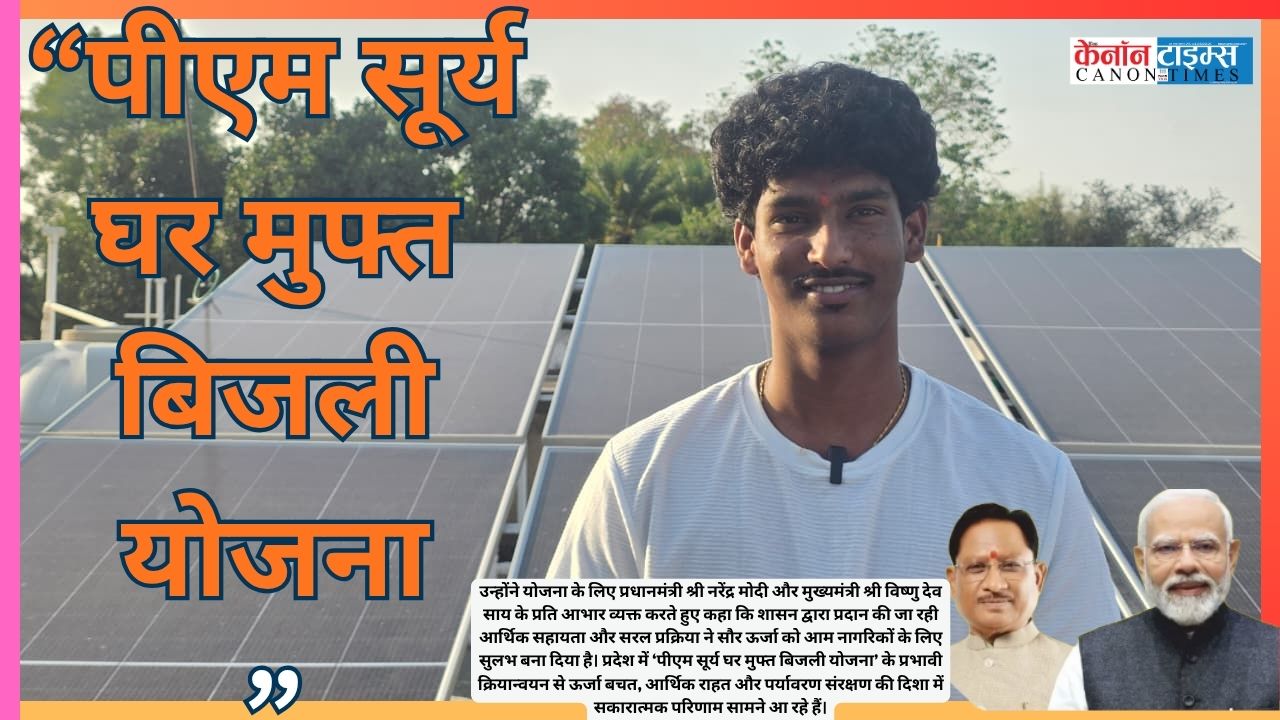
The experience of Shishir Sarkar from Ambikapur in Chhattisgarh illustrates the scheme’s potential at the household level. By installing a 3 kilowatt rooftop solar system, he has managed to significantly reduce his monthly electricity expenses, which previously ranged between Rupees 8,000 and Rupees 11,000. What makes this transition more accessible is the structure of financial support. With a central subsidy of around Rupees 78,000 and additional state assistance of Rupees 30,000, the upfront cost barrier, often the biggest deterrent, has been substantially lowered.
This model reflects a thoughtful policy design. By combining financial incentives with a relatively simple adoption process, the scheme encourages middle class and semi urban households to participate in the energy transition. The idea of “double subsidy” not only accelerates adoption but also signals a coordinated effort between central and state governments.
Beyond individual savings, the broader implications are significant. Rooftop solar reduces pressure on conventional power grids, lowers transmission losses, and contributes to climate goals by promoting clean energy. It also introduces a subtle but important shift in mindset. Citizens are no longer passive users of electricity but active contributors to energy generation.
However, as with any ambitious scheme, challenges remain. Awareness levels are still uneven, particularly in rural and remote areas. Technical support, maintenance services, and clarity around net metering policies will play a crucial role in sustaining long term confidence among users. Without reliable after installation support, early enthusiasm could fade.
There is also the question of scalability. While early adopters like Shishir Sarkar demonstrate clear benefits, widespread adoption will depend on consistent implementation, timely subsidy disbursal, and streamlined approval processes. Delays or bureaucratic hurdles could undermine the scheme’s credibility.
Environmental benefits add another compelling dimension. As households shift toward solar energy, dependence on fossil fuel based electricity decreases, contributing to lower emissions and improved air quality. In a country grappling with both energy demand and environmental concerns, such decentralized solutions offer a practical path forward.
The PM Surya Ghar Muft Bijli Yojana signals a promising convergence of economic relief, environmental responsibility, and citizen participation. If executed with sustained focus and accountability, it has the potential to redefine how India produces and consumes energy.
In the long run, the success of this initiative will not just be measured in reduced electricity bills, but in how effectively it transforms millions of households into partners in the nation’s clean energy journey.

Author: This news is edited by: Abhishek Verma, (Editor, CANON TIMES)
Authentic news.