Lachhanti Bai’s transformation from a financially struggling village woman to a successful rural entrepreneur is a powerful example of how collective support and local enterprise can change lives. Her story from Karathi village in North Bastar Kanker shows that self help groups are not just community forums. When supported properly, they can become real engines of economic independence for women.
Before joining the Bihan mission, her family faced constant hardship. Borrowing money at high interest, worrying about children’s education and lacking access to modern farming knowledge were part of everyday life. That kind of insecurity traps many rural households in a cycle of dependence. What changed her life was not a sudden windfall, but steady access to savings, credit, training and confidence through the self help group system.
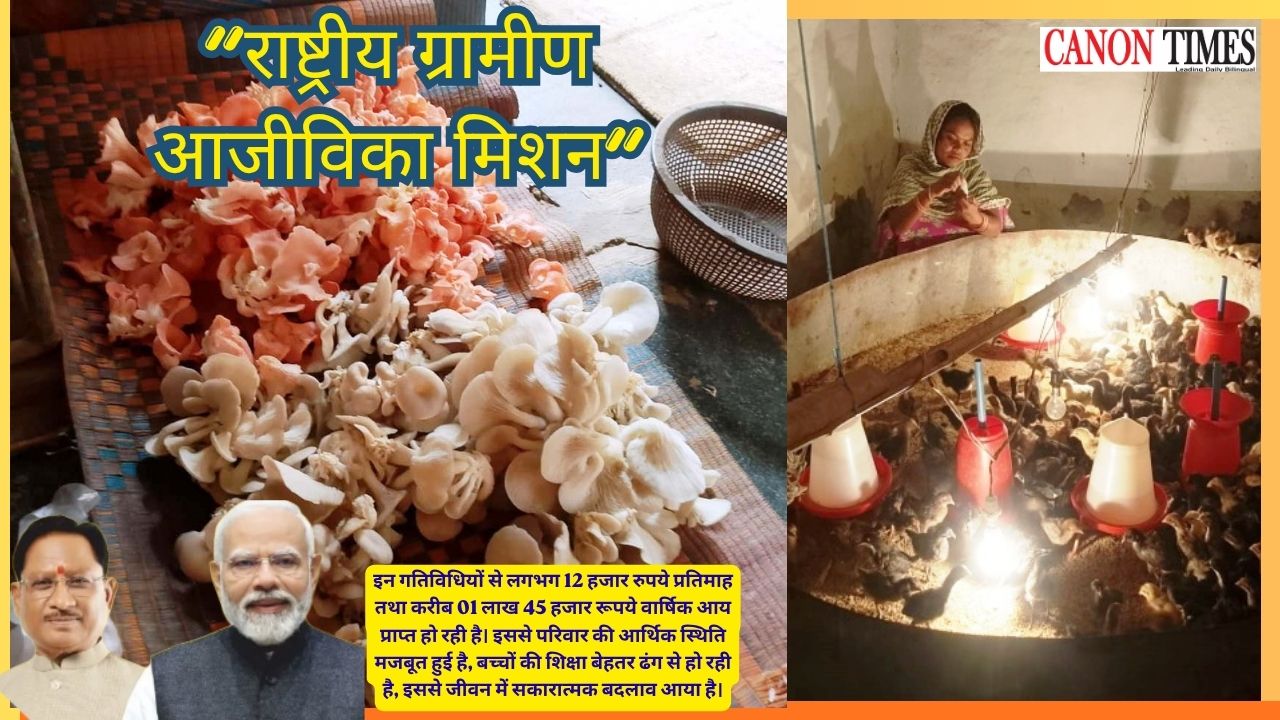
Her current mix of activities is especially noteworthy. She is not relying on a single source of income. By running a small processing unit, mushroom production, poultry farming and agricultural work, she has built a diversified livelihood base. That matters because rural incomes are often fragile. A mixed model spreads risk, improves cash flow and gives families a better chance of weathering difficult seasons. It also shows that women in villages can manage multiple enterprises when given the right support.
The monthly income of around Rs 12,000 and annual earnings of about Rs 1.45 lakh may not sound large in urban terms, but for a rural household it represents meaningful progress. More importantly, the benefits go beyond income. Her children’s education is improving, the family is less dependent on outside borrowing and she now handles banking transactions with confidence. That change in agency is one of the strongest markers of empowerment.
Her story also underlines the importance of institutional handholding. The role of the Bihan programme, bank credit, revolving funds, promotional support and training from local officials made the difference between a fragile idea and a functioning livelihood. Too often, government schemes are judged only by numbers. But the real test is whether they help ordinary people move from uncertainty to stability. In Lachhanti Bai’s case, the answer is clearly yes.
There is a broader lesson here for rural development policy. Women’s self help groups work best when they are linked to credit, skill development and practical enterprise opportunities. A poultry unit, a mushroom farm or a small processing mill may look modest, but in village economies these are real pathways to dignity and self reliance. They can also create local leadership, as one woman’s success often encourages many others to follow.
Lachhanti Bai’s life now stands as a reminder that empowerment is not only about slogans or welfare coverage. It is about enabling women to earn, decide and lead. Her journey from debt and uncertainty to confidence and income deserves attention because it captures the deeper promise of rural development: not charity, but capability.

Author: This news is edited by: Abhishek Verma, (Editor, CANON TIMES)
Authentic news.