The effort to secure Ramsar status for this wetland in Chhattisgarh is an opportunity to protect biodiversity, strengthen local participation and demonstrate that ecological preservation is an essential part of development.
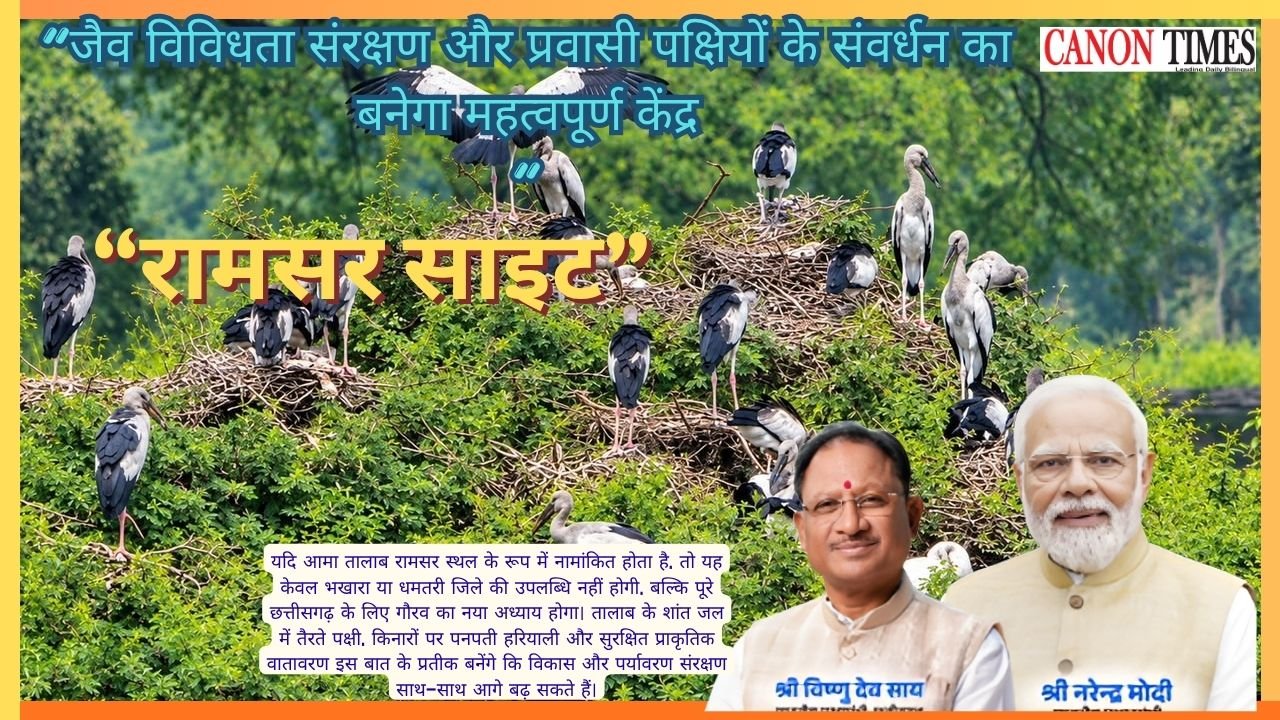
Wetlands are among the most valuable yet vulnerable natural ecosystems. They support birds, aquatic life and vegetation, replenish groundwater, help moderate floods and sustain the ecological balance of surrounding communities. Their importance extends well beyond the water they hold. The initiative to develop Ama Pond in Bhakhara, Dhamtari district, as a potential Ramsar site is therefore a welcome step towards recognising and protecting Chhattisgarh’s natural heritage.

A team of experts from the Botanical Survey of India, Prayagraj, and the Chhattisgarh Wetland Authority has inspected the pond to assess its ecological characteristics, biodiversity, aquatic ecosystem and potential as a habitat for migratory birds. A detailed report will form the basis for further conservation proposals and the process of seeking recognition through the state and central governments.
The initiative is significant, but it is important to distinguish between a proposal and an achievement. Expert inspection is an early step; Ramsar designation requires the site to meet internationally recognised criteria for wetland importance. More importantly, formal recognition must not become the final objective. The real measure of success will be whether the pond’s ecological health improves and remains protected over time.
This requires a scientific management plan based on reliable baseline data. Water quality, seasonal water levels, native vegetation, bird populations and aquatic biodiversity should be monitored regularly. Pollution from sewage, solid waste and agricultural runoff must be prevented. Encroachment, excessive fishing and disturbance of sensitive bird habitats also need effective regulation.
Local communities must be partners in this process. The wetland friends programme, which has already mobilised more than 500 volunteers across the state, offers a useful foundation for public participation. Residents, schools, local institutions and environmental groups can contribute through awareness, monitoring and responsible use of the pond. Any tourism development should remain low-impact and guided by ecological limits rather than commercial priorities.
Chhattisgarh’s first Ramsar site, Kopra Reservoir, provides an important precedent. The state’s ambition to secure Ramsar recognition for 20 wetlands by 2030 is encouraging, but the number of designated sites should not overshadow the quality of conservation. Each wetland needs adequate funding, clear management responsibility and regular independent assessment.
Ama Pond has the potential to become an important refuge for biodiversity and a source of local pride. Its national recognition, if secured, would be meaningful. But its lasting legacy will depend on a simpler and more demanding achievement: keeping its water clean, its habitats healthy and its natural life protected for future generations.

Author: This news is edited by: Abhishek Verma, (Editor, CANON TIMES)
Authentic news.