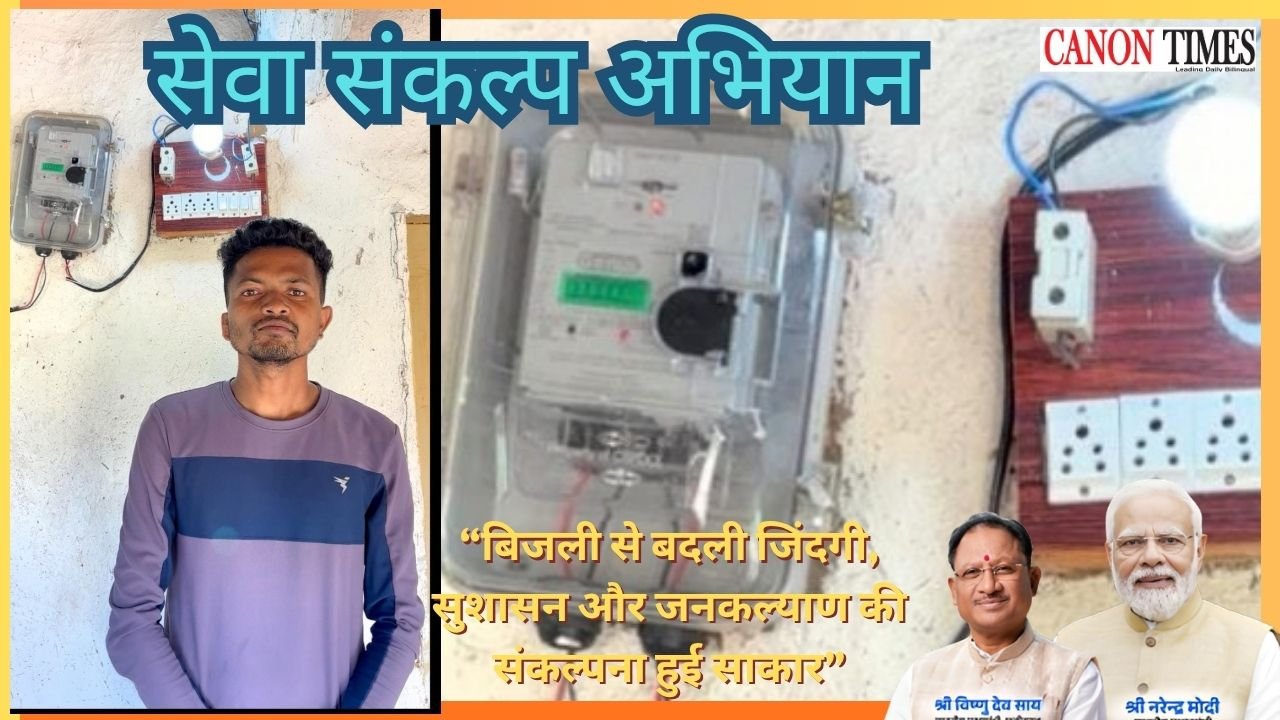
For about 75 years after Independence, Sambalpur village lived without electricity. Sunset meant darkness. Children struggled to study. Phones were charged in neighbouring villages. Irrigation depended on diesel pumps. Under the Chief Minister Majratola Electrification Scheme, transformers and poles were installed. Meters, distribution boards and bulbs reached homes for the first time. In Anil Hindami’s house, fans and coolers now run. Nights are bright. Study tables have light. Motors pump water for crops. For this family, power is not just illumination. It is a change in daily capability and a door to new opportunities.
This is more than a connection story. It is a reminder that energy sits at the base of human development. When a home gets reliable power, health improves because kerosene lamps and smoke recede. Education improves because children can read after dusk. Livelihoods improve because pumps, tools and small appliances become viable. Digital life becomes possible because phones and radios stay charged. For a village that once planned its day around daylight, electrification shifts the rhythm of life. The Seva Sankalp Abhiyan aims to bring such welfare gains to the last mile. Sambalpur shows how a scheme can change reality when it reaches the right place.

Why does this matter at scale. Rural electrification is a multiplier. It raises farm productivity by enabling timely irrigation. It supports small enterprises that need power for machines and cold storage. It makes telemedicine and online learning feasible. It reduces the drudgery of manual tasks, especially for women. It also strengthens governance. When a meter is installed and a bill is paid, the state and citizen enter a contract of service and accountability. In Chhattisgarh, where service and welfare are central to the government’s pitch, bringing power to long unserved villages is a direct way to deliver on that promise.
The real test will be reliability and affordability. Will feeders be strong enough to handle peak loads without frequent trips. Will maintenance crews respond fast when faults occur. Will tariffs and subsidies be structured so that poor households can pay without stress. Will agricultural connections be metered and priced in a way that discourages waste but supports farming. And will complementary services, such as street lights and common facility centres, be added so that the whole village benefits, not just individual homes. If these pieces fall into place, Majratola can become a template for other unserved habitations.
For Anil and his neighbours, the change is tangible. Darkness has lifted. Work is easier. Hope is higher. That is the true measure of this push: not just the poles erected, but the hours gained and the futures enabled.

Author: This news is edited by: Abhishek Verma, (Editor, CANON TIMES)
Authentic news.