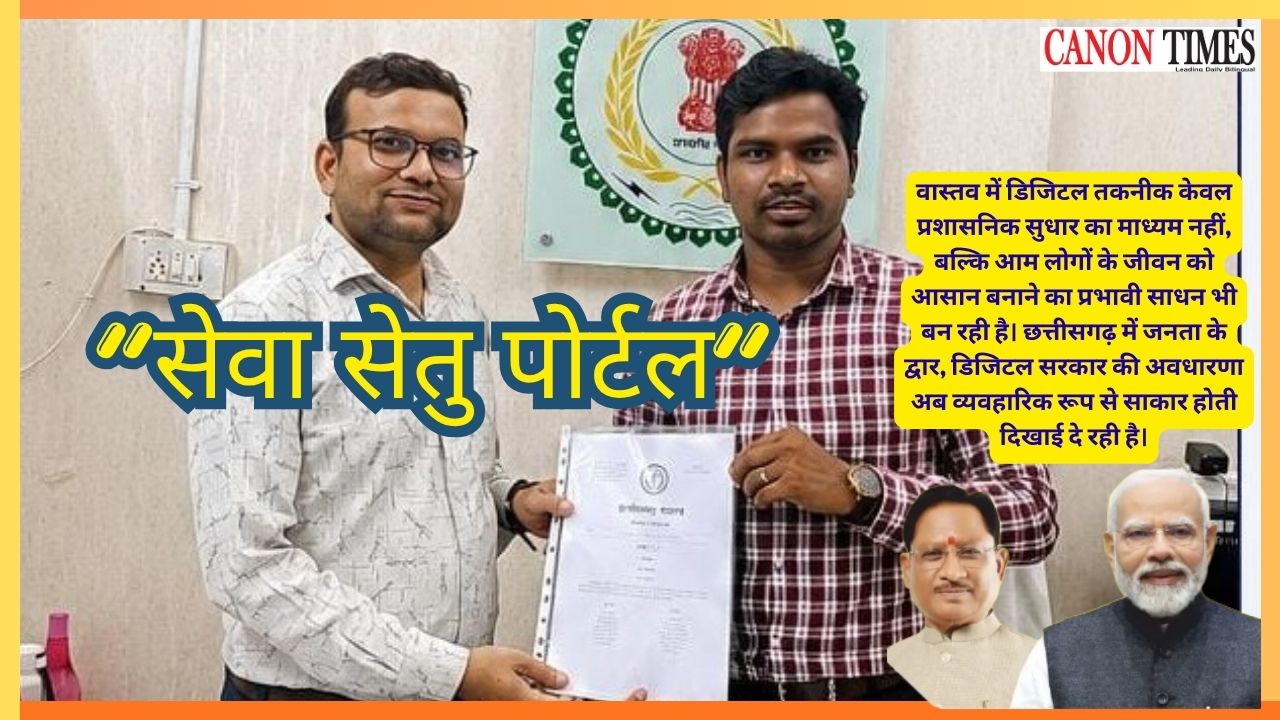
Chhattisgarh’s Service Setu portal is a practical example of how digital governance can make public services simpler, faster and more trustworthy. A name change application completed smoothly, along with the timely publication of the gazette certificate, may seem like a small administrative success, but for ordinary citizens it represents something much larger: less waiting, less confusion and less dependence on office visits.
What makes this development important is not the technology itself, but the way it changes the citizen experience. In the old system, even routine services could involve repeated trips, delays and uncertainty. With an online process that allows people to apply from home and track their cases digitally, the government is reducing friction in everyday life. That is the real value of e-governance. It is not just about digitising files. It is about making the state more accessible.
The example from Durg also highlights a key strength of such systems: predictability. When a process is completed within a defined time limit, citizens gain confidence that the system works. That confidence matters because trust in government often depends on whether public services arrive on time and without unnecessary hassle. A portal that handles requests transparently can do more to improve public faith than many formal announcements.
There is also a broader administrative lesson here. Digital platforms can reduce opportunities for delay and improve accountability only if they are used consistently and supported by responsive staff. The success of Service Setu suggests that technology and administration can work together effectively when the process is designed around the citizen rather than the office routine. That is the direction public service reform should take.
The larger promise of digital governance is the shift from a system where people go to the government repeatedly, to one where the government reaches people more efficiently. That is why the phrase “government at the citizen’s doorstep” is more than a slogan when backed by actual delivery. If name changes, certificates and other basic services can be handled this way, the impact on rural and urban households alike can be substantial.
Chhattisgarh’s experience shows that digital reform is most valuable when it solves ordinary problems well. A portal may not attract headlines like a big new project, but it can quietly transform how people relate to the state. And in the long run, that kind of transformation may matter even more.

Author: This news is edited by: Abhishek Verma, (Editor, CANON TIMES)
Authentic news.