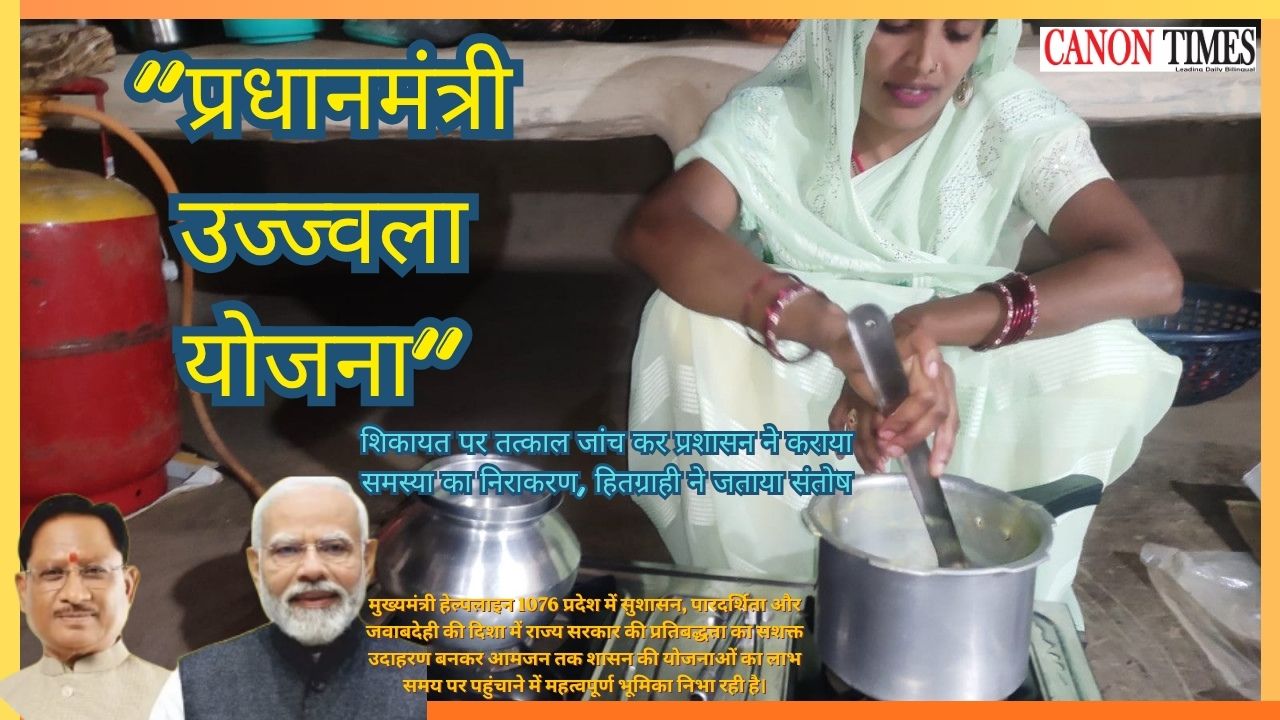
The case of the Ujjwala gas connection reaching a beneficiary after a complaint through the Chief Minister’s Helpline 1076 is a small story with a large public meaning. It shows that governance becomes credible when it responds quickly, verifies facts on the ground, and removes hardship without delay.
What stands out first is the speed of action. Once the complaint was registered, district officials took immediate notice, examined the matter, verified the records and ensured that the beneficiary received the connection. That kind of response matters because for poor households, even a basic utility like an LPG connection can affect daily dignity, health and convenience.
This incident also reflects the importance of grievance redressal systems in a welfare state. A helpline is not useful merely because it exists; it becomes meaningful when citizens see real results after making a complaint. Here, the system did not stop at paperwork or formal acknowledgment, but moved toward practical resolution.
Equally important is the message this sends about accountability. When officials act promptly and transparently, public trust rises. Citizens begin to feel that the administration is listening, not just collecting applications and complaints.
The Ujjwala scheme itself is meant to improve lives by giving families access to clean cooking fuel. But a scheme achieves its purpose only when the last-mile delivery is effective. In this case, the delivery mechanism worked, and that is what made the difference between delay and relief.
This is the kind of governance people remember. Not the promise alone, but the moment when the promise becomes service. A functioning helpline, backed by responsive officials, can turn frustration into satisfaction and policy into public confidence.

Author: This news is edited by: Abhishek Verma, (Editor, CANON TIMES)
Authentic news.