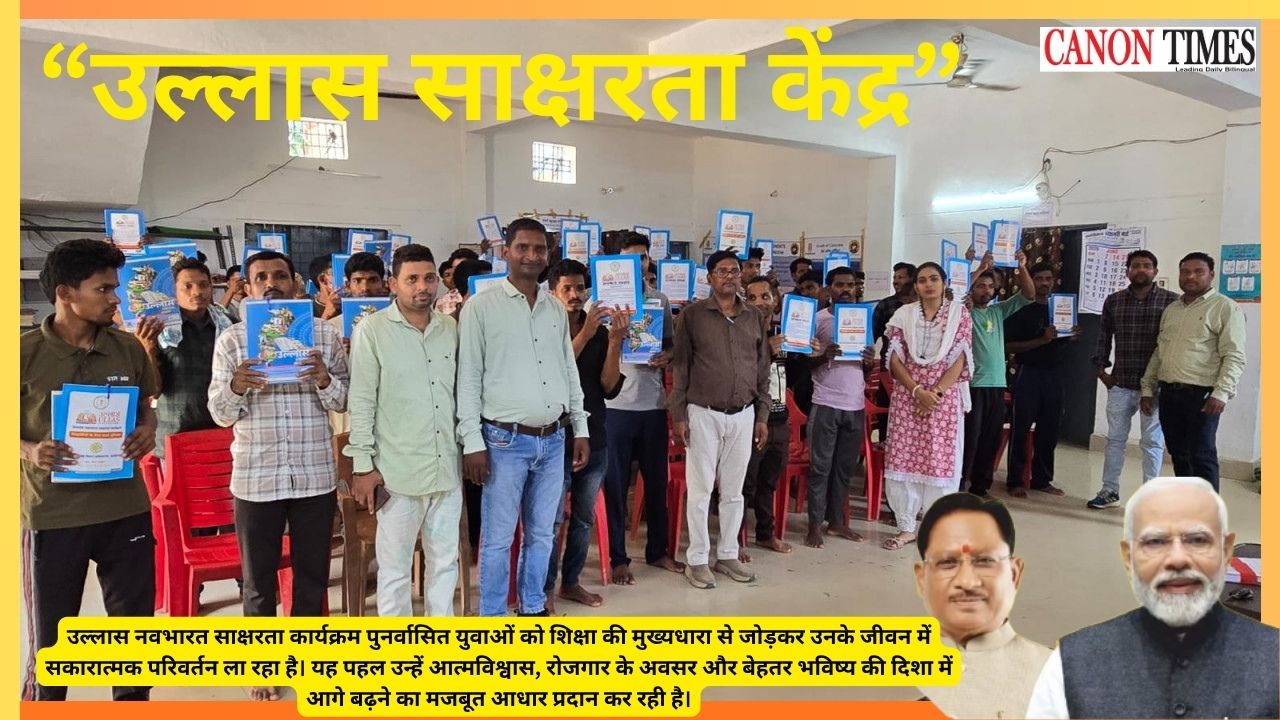
The launch of the sixth batch at the Ullas Nava Bharat literacy centre in Bijapur, enrolling 90 rehabilitated youths for basic literacy and numeracy training, is a reminder that education remains the most powerful instrument for social reintegration and economic dignity. Under the guidance of Collector Vishwadeep, this programme does more than teach letters and numbers; it offers a practical route out of marginalisation.
Literacy for rehabilitated citizens is not a mere welfare gesture. It restores agency. The ability to read a prescription, keep accounts for a shop or access government schemes transforms household prospects and expands employment choices. The testimony of a rehabilitated couple who met the Chief Minister during a Sushasan Tihar and said literacy helped them run a shop and secure a livelihood, illustrates this multiplier effect in vivid terms.
Operational strengths stand out in the Ullas model. Providing learning kits that include primers, guides, exercise books and pens is low cost but high impact. Delivering instruction in Gondi respects learners’ linguistic realities and raises the probability of sustained retention. Local leadership by the district literacy mission and visible administrative backing signal that the programme is not a one off but part of sustained rehabilitation policy.
To convert short term gains into durable outcomes, two priorities are crucial. First, bridge education with livelihoods. Link basic literacy classes with vocational modules, digital literacy and local apprenticeship placements so learners can immediately deploy new skills. Second, institute follow up and monitoring. A simple tracking mechanism that records learners’ employment, self‑employment or enrolment into higher education after course completion will show what works and where support is still needed.
There is also a social inclusion dimension. Targeted outreach to women, tribal households and households headed by differently abled persons will ensure benefits reach the most marginalised. Community volunteers and alumni mentors can sustain motivation and make classes socially anchored.
Ullas’s focus on dignity through learning deserves expansion. When rehabilitated youths are partnered with skilling agencies, microcredit groups and market linkages, literacy stops being an isolated achievement and becomes the first rung on a ladder to economic independence. The state should treat this sixth batch not as routine administration but as a pilot for scaling locality specific, language sensitive and livelihood linked literacy across districts.
Education that restores a person’s ability to read, count and engage confidently with public services is social infrastructure as vital as a road or irrigation canal. If the Ullas programme consolidates learning with purposeful follow up, Bijapur’s newest batch of graduates will not only be literate; they will be empowered citizens contributing to stronger rural communities.

Author: This news is edited by: Abhishek Verma, (Editor, CANON TIMES)
Authentic news.