Chief Minister Dr. Mohan Yadav has underscored his government’s unwavering commitment to the prosperity of the tribal community, declaring that strategic interventions are enabling tribal advancement across every sphere of development. The state’s budget for tribal welfare has been raised to Rupees 47,295 crore, an increase of Rupees 6,491 crore over the previous year, positioning Madhya Pradesh as a national leader in tribal advancement.
Economic empowerment for tribal groups has been prioritized alongside integration into the development mainstream through the inclusive vision of “Sabka Saath, Sabka Vikas.” Special emphasis has been given to the Particularly Vulnerable Tribal Groups (PVTGs), ensuring holistic welfare and the safeguarding of indigenous culture and rights. Efforts, Dr. Yadav notes, have elevated not just legal entitlements but also cultural pride and community identity.

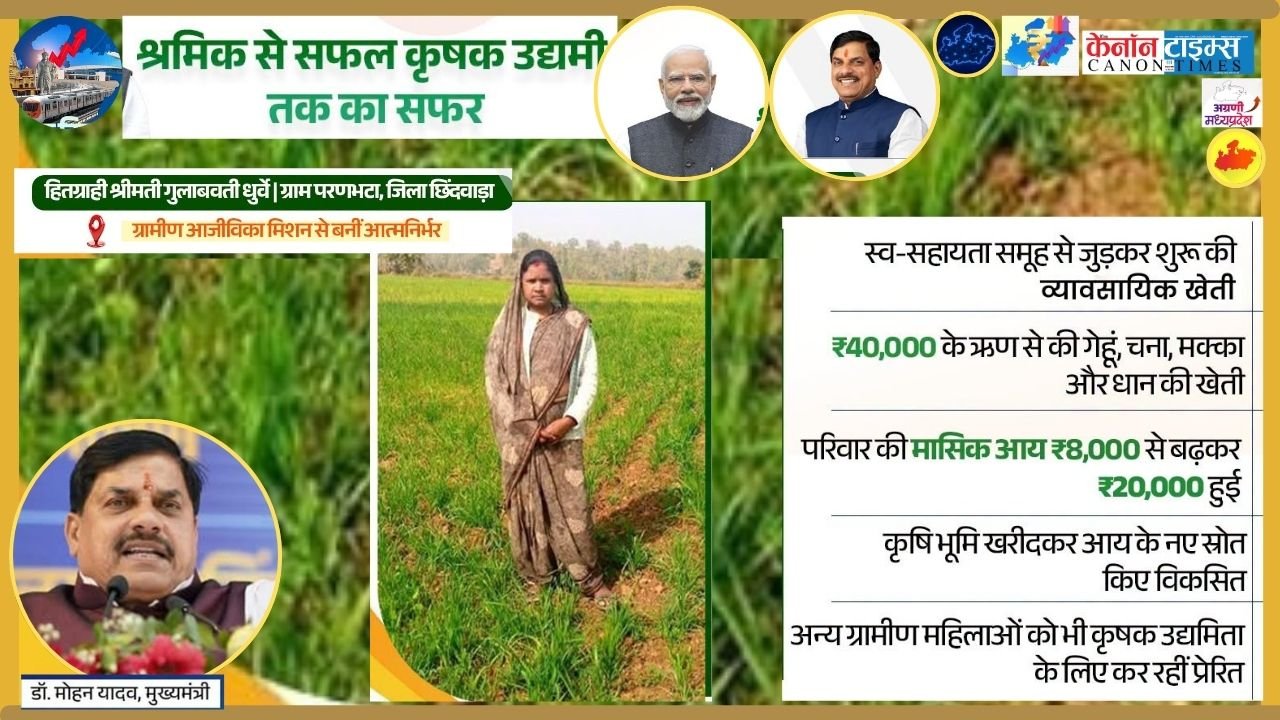
Education initiatives have broadened, providing young tribal students expanded access to scholarships (now for all twelve months of the year), revamped hostels, and curricula that include stories of tribal heroes such as Birsa Munda. Livelihood options and financial resources have expanded, with traditional skills channeled into sustainable incomes, and tendu leaf collectors now receive Rupees 4,000 per standard bag, strengthening both individual earnings and the rural economy.
The effective enforcement of PESA rules has placed natural resource and development decision making in the hands of village assemblies, ushering in a new era of grassroots self governance. Health interventions, like the expansion of Sickle Cell Hemoglobinopathy Mission and the deployment of 66 mobile medical units, have increased access to medical services in remote areas.
Under landmark programs such as PM Janman and Dharati Aba, infrastructure investments have advanced, and with the construction of Anganwadi houses, Madhya Pradesh now leads the nation in early childhood care initiatives. The renaming of Alirajpur district to ‘Aalirajpur’ stands as a symbolic gesture, restoring cultural dignity and tribal identity.
In every aspect, from economic empowerment to cultural renaissance, the state is not merely supporting its tribal citizens but walking beside them, ensuring that the wealth of the land and the richness of indigenous heritage are protected, respected, and shared for generations to come.

Author: This news is edited by: Abhishek Verma, (Editor, CANON TIMES)
Authentic news.