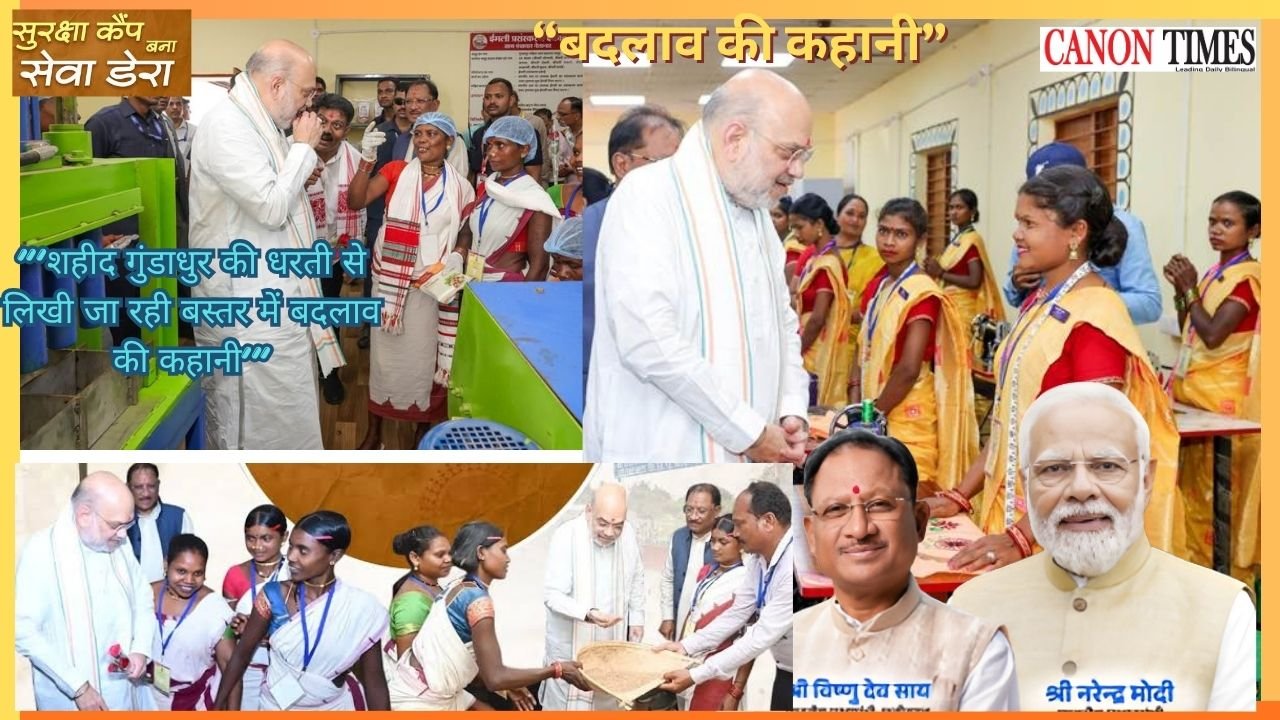
For years, many villages in Bastar remained far from basic services because of difficult terrain and the shadow of violence. The transformation of security camps into Seva Deras seeks to change that reality. Under the plan, about 200 security camps in Naxal-affected areas are being developed as Veer Shaheed Gundadhur Seva Dera centres, with 70 camps being converted in the first phase.
The idea is simple but significant: bring government services closer to people who earlier had to travel long distances for everyday needs. At these centres, villagers can access Aadhaar services, KYC updates, birth, death, income and caste certificates, banking support and other digital services. For remote communities, this can save time, money and effort.
The Seva Dera model also connects welfare with livelihood. Women associated with self-help groups in Netanar are processing tamarind into pulp, preparing rice using traditional dekhi methods and receiving stitching training. These activities can create income while preserving local skills. If such products receive better packaging, branding and market access, they can reach wider markets and provide more dependable earnings.
Bank Sakhi services are another useful addition. Trained women can help villagers open accounts, deposit and withdraw money and access banking facilities within the village. This improves financial inclusion, especially for women who may find it difficult to travel to distant bank branches.
The initiative is named after Veer Shaheed Gundadhur, a leader of the 1910 Bhumkal rebellion who stood for tribal identity, self-respect and the rights of jal, jungle and zameen. Locating the first Seva Dera in Netanar, his birthplace, gives the programme a strong symbolic meaning. But symbolism must be matched by consistent service delivery.
The real test of the Seva Deras will be whether they remain functional, well staffed and responsive to local needs. Digital services require reliable connectivity, trained personnel and timely resolution of problems. Livelihood activities need steady market linkages, fair prices and continued support for women’s groups.
Bastar’s change will be lasting only when security is accompanied by opportunity. Bringing documents, banking, health information, education and livelihood support closer to villages can strengthen public trust. If the Seva Dera model is implemented with care and consistency, it can help remote communities become active participants in development rather than distant recipients of services.

Author: This news is edited by: Abhishek Verma, (Editor, CANON TIMES)
Authentic news.