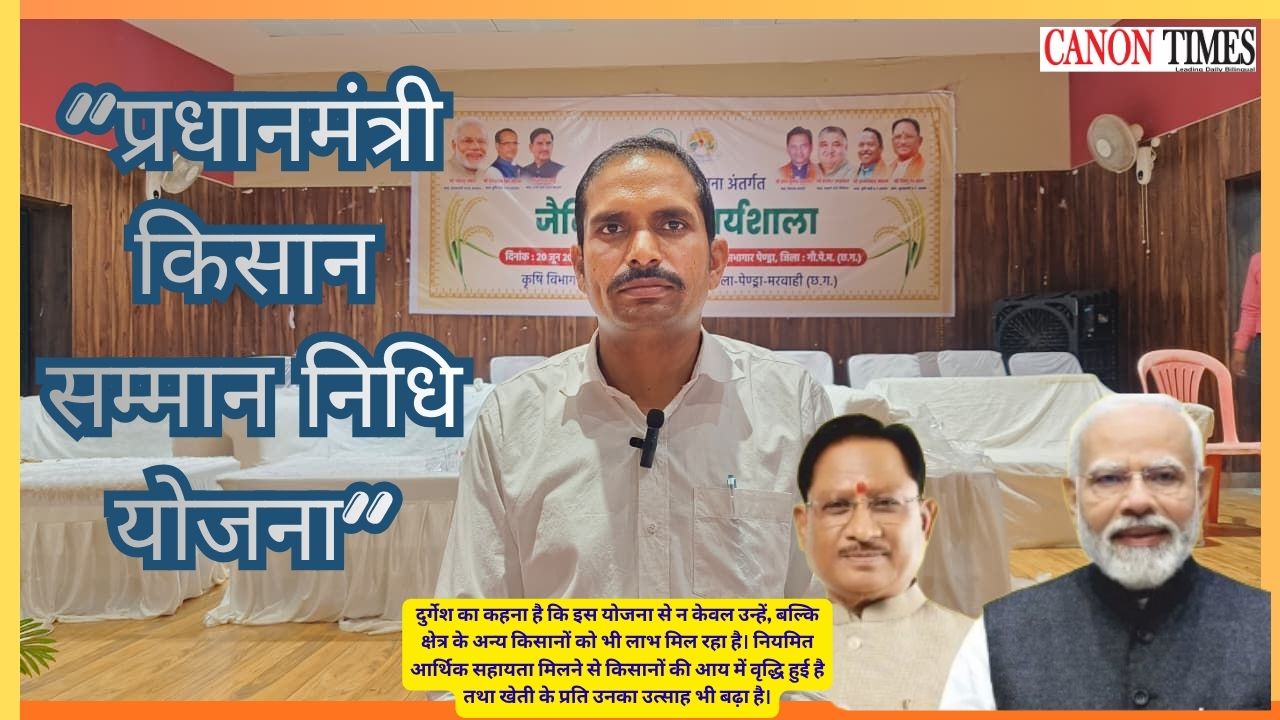
The story of Durgesh Yadav, a smallholder from Bijarwar, speaks plainly about the power of predictability. The quarterly Rs 2,000 transfer he receives under the Pradhan Mantri Kisan Samman Nidhi may appear modest in amount, but for farmers who run tight margins and work limited land it is often the difference between timely sowing and missed opportunity.
That regular, reliable cash, credited directly into a bank account, helps Durgesh buy seed and fertiliser when he needs them, reduces his reliance on expensive informal loans and restores the confidence required for better planning.

What Durgesh’s experience illustrates is both a strength and a limit of cash transfers. The strength lies in reach and simplicity: PM Kisan moves resources to millions of smallholders without complicated eligibility hurdles, creating an immediate stabilization in rural household finances. When many families in a village receive steady support, local markets become more predictable, demand for farm services increases and the whole rural economy gains momentum.
The limit is that money by itself does not automatically translate into higher productivity or long term resilience. Without access to timely advice, affordable inputs and reliable markets, a modest transfer can be fully absorbed by day to day needs rather than catalysing investment.
This is not a critique of the programme’s intent but a call for sensible layering. Cash works best when embedded in a supportive ecosystem: accessible agronomic guidance so farmers invest in the right seeds and crop protection; affordable formal credit and supply chains that prevent transfers from being spent on interest; and aggregation or market linkages that let smallholders capture better prices for any increase in output.
Equally important are operational virtues: punctual disbursal, transparent beneficiary lists and easy grievance redressal, which sustain trust in the scheme.
Durgesh’s gratitude to the government is well placed. PM Kisan demonstrates how a simple, well implemented transfer can change everyday realities for marginal farmers. The next policy step is not replacement but reinforcement, pairing the cash lifeline with services and infrastructure that turn short term support into durable gains.
When transfers are coupled with know how, credit and market access, the modest quarterly sum becomes a stepping stone toward resilient livelihoods rather than a temporary relief. That is how a programme of modest means can help small farmers move from survival to self reliance.

Author: This news is edited by: Abhishek Verma, (Editor, CANON TIMES)
Authentic news.