Kerala’s Chief Secretary and the Color Debate
Kerala’s Chief Secretary, Sarada Muraleedharan, recently found herself at the center of a social debate when an anonymous comment compared her tenure to her husband’s, stating that hers was “as black as his was white.” This statement is not just factually incorrect but highlights a deeper, ingrained issue—the societal obsession with skin color. In reality, neither she nor her husband, V. Venu, fall into such extreme categories. They exist, like most people, within a vast spectrum of shades. Yet, this outdated bias continues to shape perceptions of identity and competence.
The Persistence of Color Prejudice
Despite Kerala’s reputation for literacy and progressive values, colorism remains deeply rooted. Even historical figures weren’t spared from such biases. Swami Vivekananda, one of India’s greatest thinkers, faced discrimination in Kerala due to his darker complexion. When he attempted to enter a temple in Kodungallur, he was questioned about his caste—an incident that led him to famously label Kerala a “lunatic asylum.”

Hindu mythology itself presents a contrast: Lord Krishna, an incarnation of Vishnu, was described as Shyam (dark-skinned), yet he remains one of the most revered deities. In modern India, however, skin tone continues to influence social attitudes, particularly in marriage, where “fair” brides are still preferred in matrimonial advertisements.
Colonial Hangover and Global Contradictions
This obsession with fairness may be a colonial remnant. British rule reinforced the idea that lighter skin was associated with power and privilege. Ironically, in Western countries like Britain and the U.S., tanned skin is often considered attractive. Children of interracial couples are frequently admired for their unique beauty, demonstrating that perspectives on color are cultural constructs rather than universal truths.
Historical Roots of Bias
Religious and historical narratives have also played a role in cementing color prejudices. Many ancient texts describe rakshasas (demons) as dark-skinned, reinforcing negative connotations. Some scholars argue that such descriptions were deliberate attempts by invading Aryans to portray the indigenous Dravidian people in a negative light. Whether or not this theory holds, the association of darkness with inferiority has persisted for centuries.
Moving Beyond Superficial Judgments
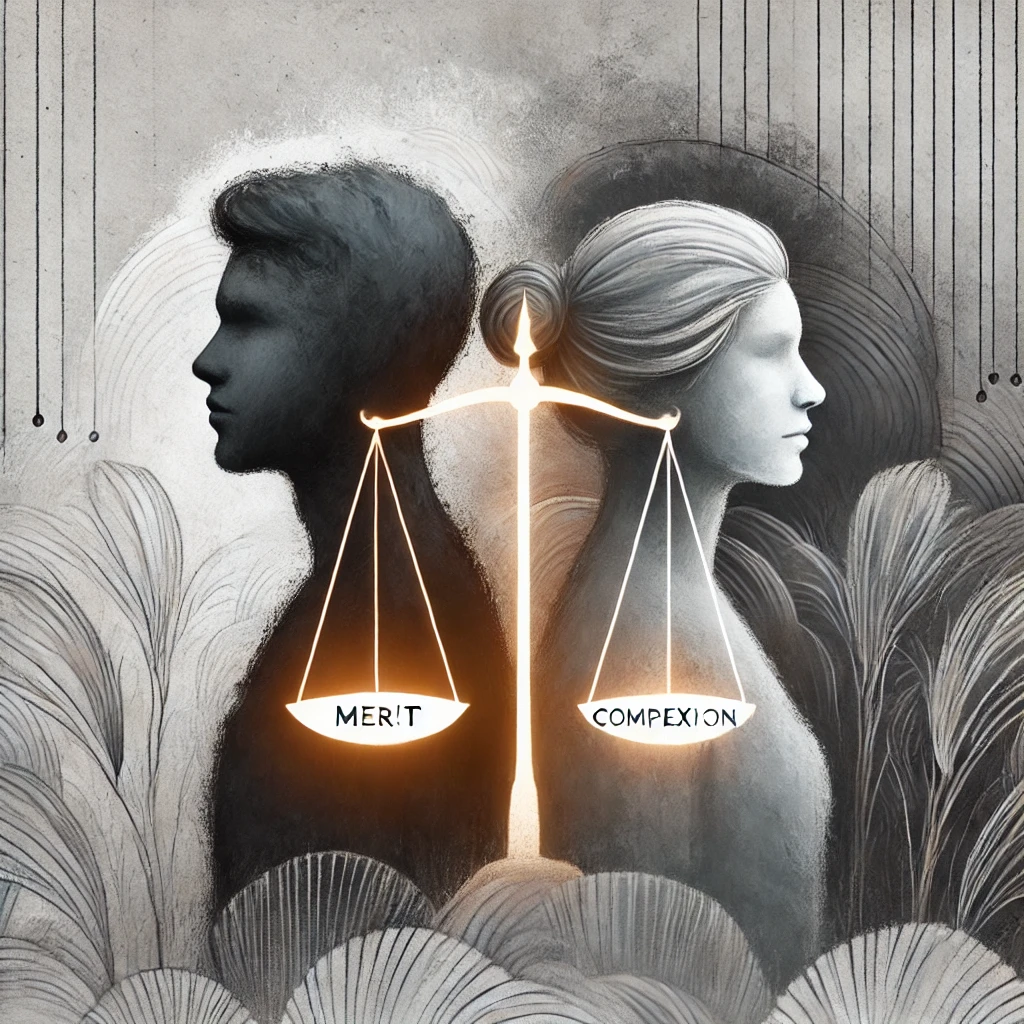
Color does not define character, intelligence, or capability. Henry Ford, the pioneer of modern automobiles, once said, “All colors are good if they are black.” His reasoning was purely practical—black paint dried faster and was more cost-effective. Similarly, what truly matters in society is not a person’s complexion but their merit, work ethic, and contributions.
Kerala’s Chief Secretary has more pressing responsibilities than addressing petty remarks rooted in outdated prejudices. It is high time for society to outgrow these biases and focus on governance, innovation, and equality—values that are neither black nor white, but simply right.

Author: This news is edited by: Abhishek Verma, (Editor, CANON TIMES)
Authentic news.